
A comfortable and attractive home begins with thoughtful choices. You do not need expensive furniture, a large garden, or a complete renovation to create a space that feels welcoming. Small improvements, such as rearranging furniture, refreshing wall colors, organizing storage, and adding greenery, can make a noticeable difference.
Your home should reflect your personality while supporting your daily routine. Every room and outdoor area has the potential to become more useful when you combine practical planning with creative decorating ideas. Whether you live in a small apartment or a spacious family house, you can make improvements gradually and according to your budget.
This guide explores simple ways to improve indoor spaces, refresh outdoor areas, choose suitable decorations, and maintain a beautiful home throughout the year.
1. Create a Plan Before Starting Home Improvements
Before purchasing decorations or beginning a renovation, examine your home carefully. Identify areas that need attention and decide which changes will provide the greatest benefit.
For example, a living room may need better lighting, a bedroom may require additional storage, or an outdoor patio may benefit from comfortable seating. Listing these priorities helps you focus on meaningful improvements rather than spending money on unnecessary items.
Set a Realistic Budget
Divide your budget into essential repairs, functional improvements, and decorative updates. Repairs should generally come first, especially when dealing with leaking pipes, damaged flooring, electrical problems, or moisture issues.
Once essential work is complete, you can spend money on paint, curtains, furniture, plants, and accessories.
Remember that a successful decorating project does not depend on how much you spend. It depends on choosing improvements that suit your needs and available space.
2. Choose Colors That Make Rooms Feel Welcoming
Color is one of the easiest ways to change the appearance of an interior. Light shades can help rooms feel brighter, while darker colors can create depth and a cozy atmosphere.
Neutral colors such as cream, beige, white, and soft gray are popular because they work with many furniture styles. You can add personality with green, blue, terracotta, or other accent colors through cushions, artwork, rugs, and decorative accessories.
Maintain a Consistent Color Scheme
Choose one dominant color and a few complementary shades for each room. This approach helps create a balanced appearance and makes it easier to select furniture and decorations.
For example, cream walls can work beautifully with wooden furniture, green plants, and brown textiles. Soft gray walls can be combined with white curtains and blue accessories for a calm, modern atmosphere.
Test paint samples before applying them to large surfaces. Natural daylight and artificial lighting can change how colors appear throughout the day.
3. Improve Furniture Placement and Everyday Comfort
Furniture should make a room comfortable and easy to use. Poor placement can block walkways, make rooms feel crowded, and reduce the usefulness of available space.
Start by identifying the room’s main purpose. A living room should provide comfortable seating and encourage conversation, while a bedroom should allow easy access to the bed, wardrobe, and other essential furniture.
Measure the room before buying large items. Consider the size of doorways, walking routes, and the space required to open cabinets and drawers.
Select Practical Furniture
Multifunctional furniture is especially useful in smaller homes. Storage beds, folding desks, nesting tables, and ottomans with hidden compartments can help reduce clutter.
Avoid filling every corner with furniture. Leaving some open space makes movement easier and allows individual pieces to stand out.
If your existing furniture remains comfortable and functional, consider rearranging it before purchasing replacements. A different layout can make a familiar room feel fresh without increasing your budget.
4. Use Lighting to Improve Your Interior
Lighting affects both the appearance and functionality of a room. A carefully planned lighting arrangement can make a home feel warmer, brighter, and more comfortable.
Start by making the most of natural daylight. Keep windows clean and choose curtains that provide privacy without blocking unnecessary amounts of sunlight.
Combine Different Lighting Sources
Consider three main types of lighting:
- Ambient lighting: Provides general illumination through ceiling lights and other main fixtures.
- Task lighting: Supports reading, cooking, studying, and working.
- Accent lighting: Highlights artwork, shelves, architectural details, and decorative objects.
Warm lighting often works well in bedrooms and living rooms, while brighter task lighting may be useful in kitchens and workspaces.
Outdoor lighting can also improve the appearance of pathways, entrances, patios, and garden seating areas. Choose fixtures designed for outdoor use and ensure that electrical installations are safe.
5. Refresh Walls and Decorative Details
You can improve a room’s appearance without replacing all its furniture. Sometimes, updating smaller details produces the most noticeable results.
Consider repainting an old side table, replacing worn cushion covers, updating cabinet handles, or introducing a few framed photographs.
Artwork can add personality to plain walls. Choose pieces that complement the room’s colors and furniture proportions. A single large picture can create a focal point, while several smaller pieces can form an attractive gallery wall.
Mirrors may help reflect available light and create a greater sense of depth. Position them carefully so they reflect an attractive view rather than an untidy area.
Avoid overcrowding walls and shelves. Leaving some empty space allows important decorations to receive more attention.
6. Make Your Garden an Attractive Outdoor Retreat
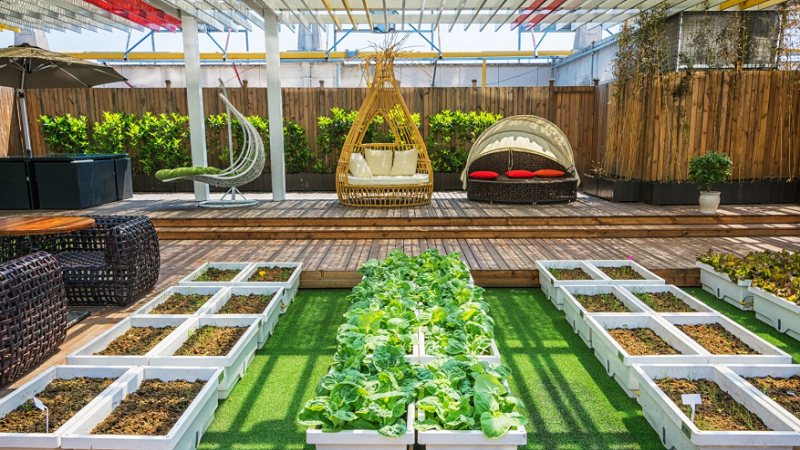
A garden can become a relaxing extension of your home. Even a small balcony, patio, or courtyard can provide space for plants, seating, and outdoor activities.
Begin by cleaning the area and removing items that no longer serve a purpose. Check pathways, containers, fences, and outdoor furniture before introducing new decorations.
Choose Plants for Your Environment
Different plants have different sunlight, watering, soil, and temperature requirements. Observe your garden throughout the day to understand which areas receive direct sunlight and which remain shaded.
Choose plants suited to your local climate and the amount of time you can spend maintaining them. Combining plants with similar watering needs can make routine care easier.
Use different plant heights to create visual interest. Taller plants can provide structure, while smaller flowers and ground-cover plants can soften the edges of planting areas.
For additional inspiration, explore DecoradHouse garden tips by DecoratorAdvice. The ideas can help you think about practical ways to make an outdoor area more attractive and enjoyable.
Add Comfortable Garden Seating
A bench, a pair of outdoor chairs, or a compact table can make a garden more functional. Choose furniture that fits the available space and can withstand local weather conditions.
If the area receives strong sunlight, consider a suitable umbrella or another source of shade. Weather-resistant cushions and simple planters can add color without making the space feel crowded.
Keep pathways clear so people can move safely between seating areas and plants.
7. Improve Storage and Reduce Clutter
A well-organized home often feels more spacious and comfortable. Clutter can make even attractive rooms appear untidy, so creating practical storage systems is an important part of home improvement.
Start with one room at a time. Separate belongings into items you regularly use, items you want to store, and items you no longer need.
Use Vertical Storage
Wall-mounted shelves, hooks, tall cabinets, and hanging organizers can increase storage without occupying excessive floor space.
Use baskets and containers to group similar belongings together. Label storage boxes when necessary, especially for seasonal clothing, tools, documents, and decorations.
In the kitchen, keep frequently used utensils accessible and organize cupboards according to their purpose. In bedrooms, use drawer organizers and suitable under-bed storage to manage smaller belongings.
Make sure storage units are stable and safely installed, particularly in homes with children.
8. Refresh Your Home with Affordable Upgrades
Home upgrades do not always require professional renovation. Many small improvements can be completed gradually, depending on your skills and the condition of your property.
You might repaint a suitable piece of furniture, update an entryway, improve storage, replace worn curtains, or create a more organized display on a bookshelf.
Before starting, consider the durability of materials and whether the proposed change will solve a real problem.
For more focused inspiration, read DecoradHouse upgrade tips by DecoratorAdvice. This related guide offers another starting point for exploring ways to refresh your living space.
Prioritize Improvements That Make a Difference
When choosing an upgrade, consider its cost, usefulness, and maintenance requirements. A new storage unit may be more valuable than several decorative accessories if clutter is your main concern.
Similarly, improving ventilation or repairing damaged surfaces may provide greater long-term benefits than applying paint over an unresolved problem.
For electrical, structural, plumbing, and other specialized work, consult a qualified professional when appropriate.
9. Bring Natural Materials into Your Home
Natural materials can add warmth and texture to interior spaces. Wood, cotton, linen, stone, and woven materials are useful options for creating a relaxed atmosphere.
You can introduce these materials through furniture, rugs, baskets, curtains, and small accessories. They often work well with neutral colors and indoor plants.
Houseplants can add a natural focal point to shelves, windowsills, and empty corners. Select varieties according to available light and care requirements, and check their safety if you have pets or young children.
Natural elements should complement the room rather than overwhelm it. A few thoughtfully placed pieces can create a balanced and inviting appearance.
10. Maintain Your Home Throughout the Year
Regular maintenance helps protect your property and preserve the results of decorating projects.
Create a simple routine for checking visible plumbing, cleaning ventilation filters according to manufacturer instructions, inspecting window seals, and looking for signs of water damage.
Keep kitchens and bathrooms ventilated to reduce moisture buildup. Address leaks promptly and investigate persistent dampness rather than simply covering affected surfaces with paint.
Outdoor maintenance may include cleaning gutters where applicable, removing debris from pathways, checking garden furniture, and trimming plants when necessary.
Keeping a record of repairs can help you identify recurring problems and plan future expenses.
11. Common Decorating Mistakes to Avoid
Several mistakes can make home improvement projects more expensive or less effective.
Ignoring measurements: Always measure furniture and available space before making purchases.
Using too many unrelated colors: A coordinated palette usually creates a more harmonious appearance.
Overcrowding rooms: Too many furniture pieces and decorations can make a space uncomfortable.
Ignoring maintenance: Attractive decorations cannot compensate for unresolved leaks, damaged surfaces, or unsafe installations.
Following trends without considering your needs: Choose styles that suit your household, budget, and daily routine.
Starting too many projects together: Completing one project before beginning another helps control costs and maintain progress.
Careful planning helps you avoid these problems and create a home that remains practical as well as attractive.
Frequently Asked Questions
How can I improve my home without spending much money?
Start by cleaning, organizing, rearranging furniture, and making better use of existing decorations. Small changes can improve the appearance of a room without requiring major purchases.
What is the best way to make a small room look larger?
Choose appropriately sized furniture, keep walkways clear, use suitable lighting, and introduce vertical storage. Mirrors may also help create a sense of depth.
How can I make my garden easier to maintain?
Choose plants suited to your local conditions, group plants with similar watering needs, remove weeds regularly, and use appropriate mulch where suitable.
Which home improvements should I complete first?
Prioritize safety concerns, leaks, structural problems, and essential repairs. Once these issues are addressed, focus on storage, lighting, decorating, and other cosmetic updates.
Conclusion
A beautiful home develops through thoughtful decisions, practical improvements, and regular care. You can create a more comfortable living environment by choosing suitable colors, arranging furniture carefully, improving lighting, organizing storage, and adding natural materials.
Outdoor spaces also deserve attention. With suitable plants, comfortable seating, and a manageable maintenance routine, a garden can become a useful and relaxing part of your property.
Start with the areas that need the most improvement, set a realistic budget, and make changes one step at a time. For more ideas and inspiration, visit Tips by Decorator Advice and continue exploring ways to make your home more functional, attractive, and welcoming. See More